Richmond Park garden maintenance guide for local gardeners
Posted on 10/10/2026
Richmond Park Garden Maintenance Guide for Local Gardeners
If you garden near Richmond Park, you already know the setting can be a little glorious and a little unforgiving. Mature trees, changing shade, dry spells, sudden wind, heavy foot traffic, curious pets, and the odd patch that never seems to dry out properly - it all adds up. This Richmond Park garden maintenance guide for local gardeners is designed to help you keep a garden healthy, tidy, and genuinely enjoyable through the seasons, without turning every weekend into a battle.
Whether you manage a compact courtyard near the park edge, a family garden with mature planting, or a larger outdoor space that needs regular care, the right maintenance routine makes all the difference. The aim here is simple: give you a practical, local-first guide that covers what to do, when to do it, and where professional help can save time, effort, and a few headaches.
![A person wearing dark clothing and blue gardening gloves is pruning bare, woody branches with a pair of black and orange handheld hedge shears. The background features a dense hedge with numerous thin, leafless stems and twigs, indicating winter or early spring. The ground is not visible, but the scene suggests careful garden maintenance and hedge trimming work. The lighting appears natural, highlighting the textures of the branches and the freshly cut ends, contributing to the overall impression of autumn or winter garden care activities. This image exemplifies professional outdoor hedge trimming as part of lawn care and landscaping work, aligning with themes discussed in the Richmond Park garden maintenance guide for local gardeners and demonstrating the outdoor services offered by [COMPANY_NAME].](/pub/blogphoto/richmond-park-garden-maintenance-guide-for-local-gardeners1.jpg)
Why Richmond Park garden maintenance guide for local gardeners Matters
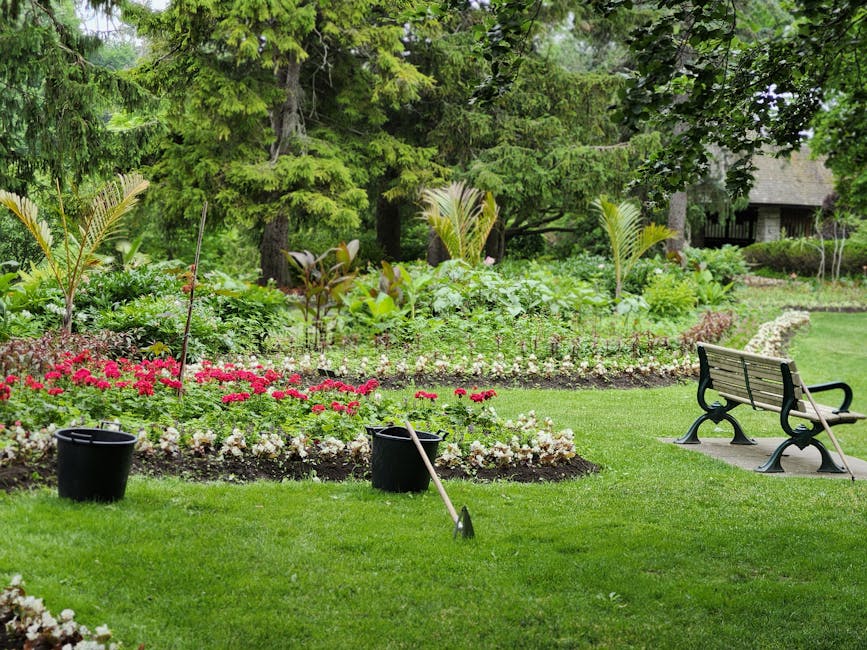
Gardens around Richmond Park face a very particular mix of conditions. There is often more shade than people expect, especially where tree canopies cast long cover across borders and lawns. In more open spots, wind can dry out soil quickly. Then there is the wildlife factor: foxes, squirrels, birds, and plenty of seasonal leaf fall. Lovely, yes. Low-maintenance? Not automatically.
A good maintenance routine matters because plants respond fast to neglect in these conditions. A lawn can thin out after a couple of dry weeks. Shrubs can become leggy in shade. Weeds seem to arrive just when you had other plans. And if your paths, decking, or patio are left too long between cleans, they become slippery and untidy much quicker than people expect. For that kind of upkeep, local gardeners often combine soft landscaping care with support services such as regular lawn care in Richmond upon Thames and patio cleaning in Richmond upon Thames to keep the whole garden feeling cared for.
It also matters from a design point of view. A well-maintained garden is easier to use. You notice the difference straight away on a spring morning when the air is crisp and the borders look sharp instead of tired. That calm, tidy feeling is not a luxury. It is often the thing that makes people actually spend time outside.
How Richmond Park garden maintenance guide for local gardeners Works
Think of garden maintenance as a repeating cycle rather than a one-off tidy-up. The garden needs different things at different times, and local conditions near Richmond Park can accelerate some tasks while delaying others. A lawn may need more frequent attention in spring, while beds may need moisture management and mulching through summer. In autumn, leaf clearance becomes a priority. Winter is more about protection, pruning decisions, and preventing damage from frost or waterlogging.
In practice, the maintenance process usually follows four working layers:
- Routine care - mowing, weeding, watering, deadheading, tidying edges, and general inspection.
- Seasonal work - pruning, planting, feeding, mulching, frost protection, and leaf management.
- Condition-based fixes - drainage issues, wind damage, bare patches, overgrown hedges, or pest pressure.
- Longer-term improvement - soil health, layout changes, replacing weak plants, and simplifying difficult areas.
That last layer is often overlooked. Yet it is where the real win is. If a corner keeps getting too dry, or a border always turns muddy after rain, maintenance alone will not solve it forever. You may need a better plant choice, a drainage tweak, or a layout rethink. A local gardener with experience in landscaping in Richmond upon Thames can help you make those decisions sensibly rather than guessing and hoping.
The key is not doing everything at once. It is building a rhythm. A little every week. A more considered reset each season. That's the difference between fighting the garden and working with it.
Key Benefits and Practical Advantages
Good maintenance delivers more than a neat appearance. To be fair, neatness is nice, but the practical gains are what keep people committed.
- Healthier planting - plants get the light, water, airflow, and space they need.
- Less weed pressure - consistent attention stops weeds from setting seed and spreading.
- Better lawn quality - lawns stay greener, denser, and less patchy when maintained properly.
- Safer surfaces - moss, algae, and debris on paths or paving are less likely to create slip risks.
- More usable space - the garden feels bigger and calmer when borders, hedges, and paths are under control.
- Lower repair costs - small problems are dealt with before they become expensive ones.
There is also a quieter benefit that people do not always mention: maintenance gives you confidence. You know what is growing well and what is struggling. You know what to cut back, what to leave alone, and what needs replacing. That matters a lot in a mature area like Richmond, where planting often has to cope with both character and constraint.
For gardens where privacy is a concern, regular hedge care can make a big visual difference. If that is on your list, the guidance in hedge trimming Richmond upon Thames and the practical ideas in this hedge privacy guide are a smart place to build from.
Who This Is For and When It Makes Sense
This guide is useful if you are any of the following:
- A homeowner trying to keep a front or back garden neat without spending every spare hour on it.
- A landlord or property manager who needs consistent presentation and reliable upkeep.
- A keen gardener who wants a better seasonal plan for a difficult site.
- A family with a busy garden that has become a bit overgrown, and everyone is pretending not to notice.
- Someone planning to improve a garden slowly, one area at a time.
It also makes sense if your garden is split into problem zones. Maybe the shady border near the fence never thrives. Maybe the lawn is patchy. Maybe the patio collects grime. Or perhaps the whole place is structurally fine but needs a maintenance reset after a long stretch of being left to its own devices.
One thing we see regularly is people assuming they need a full makeover when they actually need a better maintenance system. A tidy-up, a pruning pass, a proper weed strategy, and a better planting plan can transform a garden surprisingly fast. If you are in that stage, this garden makeover guide is a helpful companion read.
Step-by-Step Guidance
Here is a practical maintenance routine that works well for many gardens around Richmond Park. You do not have to follow it rigidly, but it gives a strong starting structure.
1. Walk the garden first
Start with a slow walk-through. Look for weeds, weak growth, broken stems, moss, clutter, and areas that feel damp or exposed. You will spot patterns quickly. A plant that looks unhappy in the same place every month is usually telling you something important, not being dramatic for the sake of it.
2. Clear the obvious surface issues
Remove litter, fallen leaves, dead foliage, and spent flowers. This gives the garden breathing room and makes the next jobs easier to judge. In autumn, do not let leaf build-up sit too long on lawns or paving.
3. Tackle weeds early
Weeds are much easier to manage when small. Pull them before they root deeply or seed. In beds, mulch helps reduce the recurrence. On paths, regular sweeping stops the little cracks and joints from becoming a weed nursery. For more detail, see successful weed management tips.
4. Prune with purpose
Pruning is not just about making things smaller. It is about keeping shape, removing dead or crossing stems, and encouraging healthy structure. Shrubs, climbers, and hedges all have their own rhythms, so avoid a blanket approach. If in doubt, trim less than you think. You can always take more off, which is one of those annoying truths garden work keeps teaching us.
5. Feed and mulch where needed
Healthy soil is the engine of the whole garden. Add compost or mulch where borders are tired, bare, or drying out too quickly. A good organic layer improves moisture retention and supports beneficial soil life. If you want to go deeper into this side of things, this guide to turning organic waste into fertile soil is worth a look.
6. Check watering habits
Water deeply rather than little and often, unless plants specifically need otherwise. Pots and newly planted shrubs usually need closer attention. Mature beds may only need help in dry spells. Early morning watering is often the most efficient time, especially in warmer months.
7. Refresh the lawn
Mow at the right height, edge the borders, and keep an eye out for compacted or thin areas. A lawn around Richmond Park can be asked to do a lot: family use, shade, drought, and seasonal stress. If it is suffering, try to identify the cause instead of just cutting it shorter. Shorter is not always better. In fact, sometimes it is the problem.
8. Clean hard surfaces
Patios, paths, and decking need separate attention. Dirt, algae, and leaf tannins can make surfaces look older than they are. Regular cleaning improves safety and appearance. For more involved work, services such as decking services in Richmond upon Thames and patio cleaning can help restore the space properly.
9. Reassess plant choices
If a plant keeps failing, replace it with something better suited to the site. That may mean a ground cover plant for shade, an evergreen climber for a blank wall, or a tougher shrub for a windy corner. There is no prize for keeping a difficult plant alive out of stubbornness.
10. Set a repeating schedule
A simple weekly and seasonal rhythm is often enough. Put the routine somewhere you will actually see it, not hidden in the back of a notebook that nobody has looked at since March.
Expert Tips for Better Results
Here is where the small gains add up.
- Work with the site, not against it. If a border is dry and breezy, choose plants that tolerate both. If an area stays cool and shaded, do not force sun-lovers into it.
- Use vertical structure wisely. Climbing plants, trained hedges, and tiered container planting can create depth in compact spaces. The ideas in vertical space gardening and evergreen climbers for darker corners are very useful for that.
- Use ground cover where weeds keep winning. Bare soil is an open invitation. Better to cover it with the right low-growing plants. Have a look at ground cover plant ideas for UK gardens.
- Plan for wind. Richmond can get exposed in surprising pockets. Fences, planting, and positioned screens can make a huge difference. There is a helpful overview in taming excessive wind in garden areas.
- Keep one area low-maintenance on purpose. Not every corner needs to be high effort. A clean gravel edge, hard landscaping, or resilient planting can save time and stress.
And a small one, but it matters: do not let your best intentions outrun your available time. A garden that is realistic to maintain is usually a better garden than a wildly ambitious one that becomes exhausting by midsummer.
Common Mistakes to Avoid
Most maintenance problems are not dramatic. They are just the result of a few repeated habits.
- Cutting hedges and shrubs too hard. Bare, stressed plants take longer to recover and can look thin for months.
- Ignoring soil health. If the soil is poor, compacted, or starved of organic matter, plants will keep underperforming.
- Using one watering routine for everything. Pots, lawns, seedlings, and mature shrubs all need different treatment.
- Leaving seasonal tasks too late. Leaf clearance, frost protection, and autumn pruning windows matter more than many people think.
- Choosing plants for looks alone. A pretty plant that hates your site becomes a maintenance problem very quickly.
- Letting paths and paving slide. Slippery surfaces are both unattractive and unsafe. A little cleaning goes a long way.
One common local issue is shade creep. Trees grow, light changes, and suddenly a sunny area becomes half-shaded. If the border starts failing after that change, do not blame yourself too quickly. The conditions may simply have shifted.
Tools, Resources and Recommendations
You do not need a garage full of equipment, but a few good tools make maintenance much more manageable.
| Task | Useful tool or approach | Why it helps |
|---|---|---|
| Lawn care | Sharp mower, edging shears, rake | Creates cleaner cuts and reduces stress on grass |
| Weed control | Hand weeder, hoe, mulch | Stops weeds before they spread and saves time |
| Pruning | Secateurs, loppers, pruning saw | Makes cuts cleaner and safer |
| Soil improvement | Compost, mulch, garden fork | Improves structure, moisture retention, and plant health |
| Hard surface upkeep | Brush, pressure-wash care, suitable cleaner | Keeps paving and decking safer and more presentable |
| Seasonal protection | Fleece, cloches, bark mulch | Reduces frost damage and helps vulnerable plants survive |
If you are building a better toolkit or starting from scratch, the article on gardening must-haves for enthusiastic green thumbs is a sensible, no-fuss reference. For beginners, these beginner tips can stop a lot of early mistakes.
Container gardeners should also look at container gardening advice, especially if your Richmond garden has limited ground space or awkward sun patterns. Containers can be brilliant, provided you keep up with watering and feeding. They are needy little things, but in a charming way.
Law, Compliance, Standards, or Best Practice
For ordinary domestic garden maintenance, the main concern is not complicated regulation - it is working safely, acting considerately, and disposing of waste responsibly. If you hire help, you should expect a professional approach to health and safety, clear terms, and appropriate insurance. A reputable provider will be happy to explain what is included, how waste is handled, and what precautions are taken around tools, ladders, pets, and access routes.
Best practice also means respecting boundaries. If work involves shared access, fences, overhanging branches, or neighbouring gardens, it is sensible to discuss any likely impact before the job starts. That avoids awkwardness later. It really does.
For local gardeners, there are a few practical principles worth keeping in mind:
- Use safe working methods when handling ladders, power tools, or thorny material.
- Check waste removal expectations before starting any large tidy-up.
- Take care around wildlife and nesting seasons when pruning or clearing dense growth.
- Be thoughtful about noise and timing in residential areas.
- Keep records if you manage a rental property or need evidence of regular upkeep.
If you want to understand how a gardening company approaches trust and transparency, the supporting pages on health and safety policy, insurance and safety, and terms and conditions are useful background reading. The about us page can also help you judge experience and fit before you book anything.
Options, Methods, and Comparison Table
Not every garden needs the same level of maintenance. The right choice depends on time, budget, and how much of the work you genuinely want to do yourself.
| Approach | Best for | Pros | Trade-offs |
|---|---|---|---|
| DIY maintenance | Small gardens, confident gardeners, flexible schedules | Low direct cost, full control, satisfying if you enjoy the work | Time-consuming, easy to miss seasonal timing, can become overwhelming |
| Occasional professional help | Busy households, seasonal resets, problem areas | Targeted support, good for heavy pruning or restoration | Less consistency unless you keep a routine yourself |
| Regular maintenance service | Larger gardens, rental properties, time-poor homeowners | Consistency, less stress, better long-term presentation | Ongoing cost, needs clear expectations and scheduling |
| Hybrid approach | People who enjoy some gardening but need backup | Flexible, cost-conscious, ideal for seasonal peaks | Requires coordination between your work and the gardener's work |
For many local gardens, the hybrid approach is the sweet spot. You handle light weekly tidying, and bring in support for mowing, hedge work, heavier clearance, or a seasonal reset. It keeps the garden in shape without making it feel like a second job.
Case Study or Real-World Example
A fairly typical Richmond Park garden we can imagine is a mid-sized back garden with a lawn, two mixed borders, a narrow side path, and one fairly gloomy corner under a mature tree. In late spring, it looks promising but slightly untidy. By midsummer, the lawn is tired, the borders are competing with weeds, and the shaded corner is bare except for a stubborn patch of ivy.
The fix is not dramatic, just sensible. The routine starts with clearing debris and cutting back dead growth. The lawn is treated as a lawn, not a battlefield. The shaded corner gets a tougher, better-suited planting plan, with a ground cover layer to reduce weed pressure. The side path is cleaned and edged properly. The hedge is trimmed to stop it swallowing light. And the owner commits to a simple fortnightly maintenance habit rather than waiting for another full-blown clear-up.
What changes first? Usually the garden feels calmer before it even looks perfect. That sounds a bit sentimental, I know, but it is true. Once the structure is back under control, the planting has room to do its job. A small seating area becomes usable again. The lawn stops looking apologetic. And, quite often, the owner stops avoiding the back door.
If privacy, structure, and calmer borders are part of the plan, the combination of fast-growing hedges, thoughtful climbers, and a little ongoing care can make a big difference without needing a full redesign.
Practical Checklist
Use this checklist as a seasonal reset or a monthly maintenance prompt.
- Walk the whole garden and note problem areas.
- Clear leaves, twigs, and dead plant material.
- Remove weeds before they seed.
- Check lawn height, edges, and bare patches.
- Prune only what needs pruning, and do it cleanly.
- Water containers and new planting as needed.
- Add mulch or compost to tired borders.
- Inspect paths, patios, and decking for algae or grime.
- Look for pest, disease, or frost damage.
- Review plant choices for shade, wind, and dry spots.
- Trim hedges and climbers before they become unruly.
- Set the next maintenance date before you forget it.
Expert summary: the best Richmond Park maintenance plans are usually simple, seasonal, and realistic. Focus on the spaces that shape how the garden feels first: lawn, paths, hedge lines, and the biggest planting areas. Then refine from there. Small habits. Big payoff.
Conclusion
Maintaining a garden near Richmond Park is less about chasing perfection and more about staying in rhythm with the site. Shade changes, wind shifts, lawns thin out, and borders ask for support. Once you understand those pressures, maintenance gets easier. You stop reacting to problems and start preventing them.
That is really the heart of this guide. Keep the basics steady, make seasonal decisions with the site in mind, and do not be afraid to simplify where a plant or layout is causing more work than joy. A well-kept garden should feel welcoming, not like homework with flowers.
If you want help turning the ideas in this guide into a practical plan for your own space, a local service can take the pressure off while keeping everything tailored to the conditions in your garden. Get a free quote today and see how much you can save.
And if you are doing it yourself, even better. Start small, keep going, and let the garden meet you halfway. It usually does.
![A person wearing dark clothing and blue gardening gloves is pruning bare, woody branches with a pair of black and orange handheld hedge shears. The background features a dense hedge with numerous thin, leafless stems and twigs, indicating winter or early spring. The ground is not visible, but the scene suggests careful garden maintenance and hedge trimming work. The lighting appears natural, highlighting the textures of the branches and the freshly cut ends, contributing to the overall impression of autumn or winter garden care activities. This image exemplifies professional outdoor hedge trimming as part of lawn care and landscaping work, aligning with themes discussed in the Richmond Park garden maintenance guide for local gardeners and demonstrating the outdoor services offered by [COMPANY_NAME].](/pub/blogphoto/richmond-park-garden-maintenance-guide-for-local-gardeners3.jpg)

Possessing many years of experience in the gardening business, Jessie emerges as a skilled author who can write a variety of articles covering a wide range of landscaping topics. Her proficiency has proven crucial in assisting thousands of individuals with their gardening needs.