TW9 front garden makeover ideas by Richmond gardeners
Posted on 11/11/2026
If your front garden in TW9 feels a bit tired, overgrown, or simply not pulling its weight, you are not alone. Front gardens in Richmond often have to do several jobs at once: look smart from the street, stay practical for bins and bikes, cope with shade or wind, and still feel welcoming when you come home. The good news is that a well-planned makeover can transform even a small or awkward space into something genuinely useful and good-looking. In this guide to TW9 front garden makeover ideas by Richmond gardeners, we will walk through the design thinking, the planting choices, the practical steps, and the little details that make a front garden feel finished rather than merely tidied. Truth be told, that last 10% of polish is usually what people notice first.
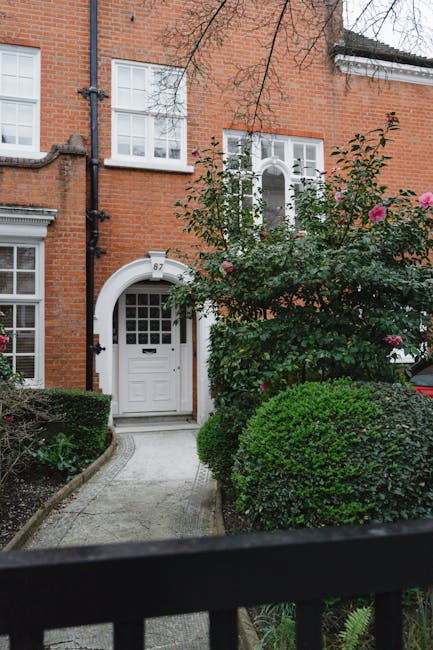
Why TW9 front garden makeover ideas by Richmond gardeners Matters
A front garden is more than decoration. It shapes the first impression of your home, but it also affects how easy the property feels to live with every day. In TW9, where many homes have compact plots, mature trees nearby, and a mix of period and modern facades, the front garden often becomes the space where smart planning matters most. Get it right and the house feels calmer, cleaner, and more considered. Get it wrong and the whole frontage can look cluttered, unbalanced, or oddly unfinished.
Richmond gardeners usually start with one simple question: what should this front garden do for the household? Some people want a low-maintenance space that never turns into a weekend chore. Others need more privacy from the pavement. Some want a planting scheme that works in shade; others are trying to make a narrow driveway border feel less severe. The best makeover ideas are the ones that fit your actual routine, not a glossy picture from somewhere warmer and less rainy.
There is also a practical side. A front garden can improve drainage, soften hard paving, reduce weed pressure, and create better structure around steps, paths, and entrances. If you have ever walked past a house with a beautifully clipped hedge, good lighting, and simple planting, you will know the effect straight away. It feels cared for. It feels settled. And yes, that matters.
How TW9 front garden makeover ideas by Richmond gardeners Works
A successful front garden makeover is usually built in layers rather than tackled as one big splashy change. Most good projects begin with a clear site assessment: how much sun the space gets, where water collects, what the soil is like, and which features are staying. Then comes a practical design stage, where the garden is simplified so that paths, beds, planting, and boundaries all work together.
In real terms, Richmond gardeners tend to focus on four things first. One, circulation: how people walk from gate to door without awkward squeezes or muddy shortcuts. Two, structure: hedges, fences, low walls, or climbers that create shape even in winter. Three, planting: shrubs, perennials, and ground cover that suit the microclimate. Four, maintenance: because a lovely garden that becomes a burden by May is not really a win. You know the type.
For smaller TW9 front gardens, vertical and layered design makes a huge difference. A slim border can be lifted visually with wall-trained climbers, compact evergreen shrubs, and pots at different heights. If you are short on space, ideas from vertical planting strategies and container gardening techniques can be surprisingly useful even in a front garden setting.
Another useful principle is repetition. Rather than scattering lots of different plants everywhere, a good makeover often repeats a few dependable species. That creates calm. It also makes the space easier to maintain. A small front garden can feel bigger when the eye is not being dragged around by too many competing colours and textures.
Key Benefits and Practical Advantages
A front garden makeover brings benefits that are both visual and practical. Some are obvious the moment you finish. Others show up gradually, which is a bit underrated, to be fair.
- Better kerb appeal: Clean lines, balanced planting, and tidy edging make a home look looked after.
- More usable space: Thoughtful layout can free up room for bins, bikes, parking access, or seating.
- Lower maintenance: The right planting scheme reduces weeding, watering, and constant reshuffling.
- Improved privacy: Hedges, climbers, and boundary planting can soften views from the street.
- Better year-round interest: Evergreens, bark, structure, and winter-friendly plants stop the garden from looking bare in colder months.
- Stronger property character: The right style can support a period frontage, a modern facade, or something in between.
One often-overlooked advantage is weather resilience. Front gardens face more stress than many back gardens: wind, road grit, salt splash, foot traffic, and occasionally inconsistent shade from nearby buildings. Choosing robust plants and hard-wearing surfaces matters. That is where sensible planning saves you hassle later, especially in a London postcode like TW9 where weather exposure can change from one street to the next.
If budget is tight, the makeover can still be smart. A cleaner layout, fresh mulch, repaired edging, and a small number of well-chosen plants can make a dramatic difference. You do not need a complete rebuild to get a proper transformation.
Who This Is For and When It Makes Sense
This kind of makeover is for homeowners who feel their front garden is underperforming. That might mean it looks sparse, overgrown, dull, too exposed, too busy, or simply mismatched with the house. It may also be for people who have inherited a front garden that was designed years ago and no longer suits modern use.
It makes particular sense if:
- you want a better first impression without turning the garden into a high-maintenance showpiece;
- you are preparing to sell and want the frontage to look more polished;
- you have a narrow or awkwardly shaped space that needs a clearer layout;
- you need more privacy from passers-by;
- you want planting that survives local conditions with less fuss;
- you are fed up with weeds, moss, or tired patchy lawn at the front.
Families, older homeowners, landlords, and busy professionals all approach the problem slightly differently, but the aim is often the same: make the space attractive and easy to live with. If children or pets use the area, you may also want to think about soft surfaces, clear sightlines, and secure boundaries. For households with dogs, a few practical considerations from gardening for dog owners can help you avoid a few predictable headaches.
And if the front garden is already heavily planted but structurally weak, the answer may not be more plants at all. It may be pruning, simplification, or replacing a few tired features with cleaner lines. Sometimes less really is more. Annoyingly, but true.
Step-by-Step Guidance
Here is a practical way to approach a front garden makeover without getting lost halfway through.
- Assess the site honestly. Note the light levels, soil condition, drainage, wind exposure, and how people currently move through the space. Take photos from the street and from the front door. It helps you see the whole picture, not just the weeds.
- Decide on the main job. Do you want privacy, simplicity, colour, wildlife value, structure, or all of the above? Pick the primary goal first. Everything else should support it.
- Strip out what is no longer useful. Remove dead planting, broken edging, failing shrubs, and anything that blocks light or access. If there is ivy gone wild, that needs a sensible plan rather than a casual tug. For that, the article on removing stubborn ivy is worth a look.
- Create a simple layout. Define paths, entrances, beds, and any boundary treatment. Clear geometry often works well in front gardens because it reads neatly from the pavement.
- Build structure first. Think hedges, fencing, low walls, trained climbers, or a few evergreen shrubs. A front garden without structure can feel unfinished even if the planting is nice.
- Add the right plants. Mix evergreens with seasonal interest. Use plants that suit the site, not just the ones that caught your eye at the garden centre on a sunny Saturday.
- Finish with detail. Edging, mulch, pots, lighting, and clean surfaces matter more than people expect. Small details are what make the whole thing feel intentional.
If you want a lower-cost or lower-effort route, you can phase the project. Start with clearing, edging, and structure. Then add planting in the best season for your chosen species. That staged approach is very normal and often more sensible than rushing it all at once.
One practical note: if the garden is severely neglected, begin with a proper reset. A fuller, more methodical approach is often easier to handle if you first read about how to begin a garden makeover. It gives you the mindset to start cleanly rather than just moving mess around.
Expert Tips for Better Results
There are a few design habits that experienced Richmond gardeners lean on again and again because they work. Simple as that.
Use evergreen structure as your backbone. In a front garden, winter matters. If everything disappears after October, the space can feel exposed and flat. Evergreen shrubs, clipped hedging, and lasting boundary planting help keep the garden looking put together through the colder months. A useful related read is choosing quick-growing hedges for privacy.
Choose a maximum of three main materials. For example: gravel, brick, and planting. Or paving, timber, and metal edging. Too many textures can make a small frontage feel busy. Keep the palette controlled and the result looks more expensive, even if it was not.
Layer heights carefully. Low planting near the path, medium shrubs behind, then climbers or a hedge as the backdrop. That gradual rise gives depth. It also avoids blocking windows or making the entrance feel tight.
Plan for maintenance before planting. Ask yourself how much pruning, feeding, and watering you can realistically manage. If the answer is "not much", that is fine. There are plenty of low-maintenance schemes. The article on low-cost, low-maintenance garden design has some useful thinking you can borrow.
Make the entrance feel generous. Even a tiny front garden can feel more welcoming if the gate, path, and front door area are clear. A small pot or two is fine. A crowded jumble of containers, less so. We have all seen that one house where the poor front step barely exists. Not ideal.
Use soil improvement where it counts. In many makeovers, the best investment is not another ornamental plant but better soil. Compost, well-rotted organic matter, and mulch can change how everything performs. A good background read is turning organic waste into fertile soil.
Think about seasonal visibility. You want the front of the home to look decent in January as well as June. That means some evergreen bones, some bark or structure, and perhaps one or two plants with winter presence. If frost is a concern, especially in exposed spots, this guide on protecting plants from winter frost is handy.
Common Mistakes to Avoid
Front garden projects often go wrong for predictable reasons. The good news is that they are easy enough to dodge once you know what to look for.
- Overfilling the space: Too many plants, too many pots, too many ideas. The eye needs breathing room.
- Ignoring access: A beautiful bed is pointless if it blocks bins, gates, or the path to the door.
- Choosing thirsty plants for a dry, exposed site: Plants that look glorious in the nursery may sulk or fail if the front garden is windy and lean.
- Forgetting winter structure: A scheme based only on summer colour can look bare for months.
- Using hard surfaces without softening them: Lots of paving with no planting can feel harsh. Even a few well-placed shrubs or climbers change the mood.
- Letting weeds win early: Once weeds establish in loose borders, they become a recurring chore. Get on top of them at the start with better weed management habits.
- Skipping aftercare: Fresh planting needs regular checking, especially in the first season. A makeover is not finished the day the plants go in.
Another common issue is choosing a front garden style that does not suit the house. A heavily tropical look on a very traditional terrace can feel awkward. Likewise, an ultra-formal scheme on a modern property may feel stiff. Aim for harmony rather than novelty for its own sake.
Tools, Resources and Recommendations
For a front garden makeover, the most useful tools are often the basic ones: spade, fork, secateurs, pruning saw, wheelbarrow, rake, spirit level, string line, and a decent pair of gloves. For layout work, chalk, pegs, and string help you test path lines before anything is fixed in place. A hose or watering can matters more than people think in the first few weeks after planting.
In terms of resources, these related reads can support a more coherent plan:
- ground cover ideas for neater borders
- evergreen climbers for walls and fences
- hedge shaping and clipping techniques
- thoughtful seating ideas if your front garden has room
- container planting for compact spaces
If you are still at the idea stage, it can help to browse guidance on starting a garden from scratch. And if you are trying to make a long-term plan, the article on gardening essentials is a practical checklist in itself.
For people who prefer to leave the physical work to someone else, professional gardening services in Richmond upon Thames can be a sensible route, especially where clearing, pruning, planting, and finishing all need to happen together.
Law, Compliance, Standards, or Best Practice
Front garden work is often straightforward, but there are still sensible standards and local considerations to bear in mind. If your plans affect a boundary, a shared access path, a driveway, or a tree, it is worth checking details carefully before starting. In London streets, front gardens can also be influenced by parking needs, sightlines, and local character. That does not mean every project needs formal approval, but it does mean you should avoid assumptions.
Good practice usually includes the following:
- making sure pathways remain safe and unobstructed;
- avoiding plants that create trip hazards or block visibility near entrances;
- checking whether work near trees, roots, walls, or fences needs extra care;
- using stable materials for edging and raised features;
- pruning hedges and shrubs so they do not encroach on public access;
- working safely with tools and lifting soil, turf, or paving materials.
Where major tree work is involved, the safer approach is to use qualified help rather than guessing. If a front garden makeover includes overgrown canopy work, the service page for tree surgery in Richmond upon Thames is relevant. For heavy boundary changes, you may also need to think carefully about fencing or hedge height. A specialist page on fencing services can help if the boundary element is central to the design.
It is also sensible to use trustworthy working practices. That includes clear quotations, safe site access, and honest communication about what is included. If you are comparing providers, pricing and quotes, health and safety policy, and insurance and safety are all worth reviewing. Not glamorous, perhaps, but absolutely useful.
Options, Methods, or Comparison Table
Different front garden makeover styles suit different homes and budgets. Here is a simple comparison to help narrow the field.
| Approach | Best for | Pros | Watch-outs |
|---|---|---|---|
| Low-maintenance refresh | Busy households, rental properties, older homeowners | Easy to manage, neat year-round, cost-effective | Can feel plain if structure is weak |
| Plant-led cottage style | Traditional homes, softer street-facing plots | Full, welcoming, seasonal interest | Needs pruning and regular weeding |
| Modern minimal scheme | Newer houses, narrow plots, clean architectural fronts | Sharp lines, uncluttered, elegant | May feel sparse without enough planting depth |
| Privacy-focused design | Homes close to pavement or passing foot traffic | More seclusion, calmer feel, better screening | Overdoing it can block light and make the front feel closed in |
| Mixed-use front garden | Homes needing storage, access, and looks in one place | Practical and flexible | Needs careful planning to avoid visual clutter |
In many TW9 homes, a blended approach works best. You might use a clipped hedge or fence line for structure, evergreen planting for year-round form, and a few well-chosen containers near the entrance for softness and colour. Simple, but not boring. That balance is usually where the magic is.
Case Study or Real-World Example
A typical TW9 front garden makeover might start with a narrow, tired frontage: patchy lawn, a few shrubs that had outgrown their space, a cracked path, and a boundary that made the house feel much smaller than it really was. The owners wanted something neater, more welcoming, and not too fussy.
The first stage was clearance. Old weeds were removed, the damaged edging was lifted, and the path was cleaned so the bones of the space could actually be seen. Then the layout was simplified. A straight path to the front door was kept clear, while the side border was widened slightly to create a proper planting strip. That alone changed the feel. Funny how often removing one awkward feature makes the rest of the garden make sense.
Next came structure. A modest evergreen hedge was added where privacy mattered most, and a climbing plant was trained up part of the boundary to soften the wall. The planting scheme used repeated groups rather than lots of one-off plants, which made the frontage calmer. Ground cover helped reduce bare soil and future weed growth, while a couple of pots near the entrance added seasonal colour without cluttering the path.
The owners did not aim for a show garden. They wanted something manageable, attractive, and a bit more grown-up. And that is often the real aim of a front garden makeover: not perfection, just a space that looks intentional when you arrive home on a wet Tuesday evening in November.
If you are aiming for a similar transformation, it can help to think of the project in terms of layers: clear, structure, plant, finish. That rhythm keeps decision-making simple and prevents the common trap of buying a lot of things before the space has been properly understood.
Practical Checklist
Use this quick checklist before you start the makeover.
- Measure the space and note entrances, bins, drain covers, and fixed features.
- Check light and wind at different times of day.
- Decide the main purpose of the front garden.
- Remove dead or broken material first.
- Set the path and access route before planting anything.
- Choose a structure element such as hedge, fence, climber, or wall planting.
- Select plants suited to the site, not just the look.
- Plan for winter interest so the garden does not vanish seasonally.
- Improve the soil where borders are being renewed.
- Finish with edging, mulch, or pots to sharpen the look.
- Build in aftercare for watering, pruning, and weeding.
If you can tick most of those boxes, you are already ahead of the game. Simple, practical, and surprisingly effective.
Conclusion
A strong front garden makeover in TW9 is not about cramming in more features. It is about making the front of your home feel clearer, smarter, and easier to live with. The most successful Richmond gardens usually combine structure, the right planting, and a layout that suits the way the household actually uses the space. That is where the long-term value sits.
Whether you want a cleaner entrance, better privacy, low-maintenance planting, or a more elegant street presence, the best approach is steady and considered. Clear the clutter, build a simple framework, and choose plants that can handle the realities of your site. Then keep going with the small details. Those little details matter more than most people think, honestly.
Get a free quote today and see how much you can save.
And if you are still weighing up the options, take your time. A good front garden should feel like it belongs to the house and to the people who live there. When it does, the whole place lifts. Quietly, but unmistakably.

Possessing many years of experience in the gardening business, Jessie emerges as a skilled author who can write a variety of articles covering a wide range of landscaping topics. Her proficiency has proven crucial in assisting thousands of individuals with their gardening needs.